Understanding Your Zebra Plant: A Striking Tropical Beauty
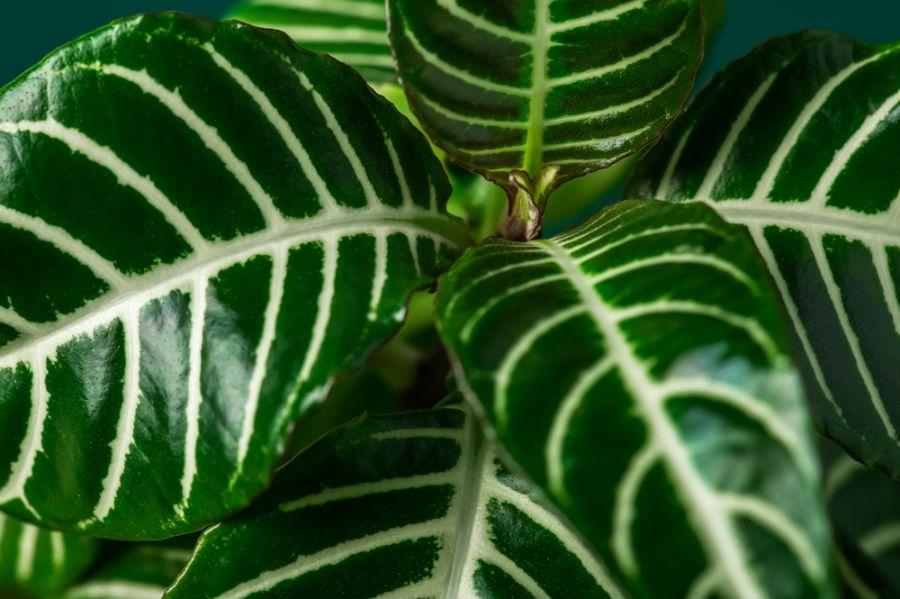
The Zebra Plant, scientifically known as *Aphelandra squarrosa*, is a true showstopper among houseplants. Its common name perfectly describes its most striking feature: large, dark green, glossy leaves dramatically veined with bold white or creamy stripes, especially prominent along the midrib. These vibrant markings, often complemented by a subtle purple tinge on the leaf stems, create a captivating contrast that adds an exotic flair to any indoor space. Native to the lush, humid jungles of Brazil, this plant naturally thrives in warm, moist environments, and with the right care, it can bring a touch of the tropics into your home.
Beyond its stunning foliage, the Zebra Plant is also celebrated for its unique and beautiful blooms. From a four-sided yellow spike, made up of overlapping bracts, emerge bright yellow flowers. While the individual flowers themselves are ephemeral, lasting only a few days, the colorful bracts maintain their vibrant display for a month or two, providing an extended period of visual interest. Understanding its natural habitat and growth patterns is the first step to successfully cultivating this magnificent plant. It typically grows as a tall, slender specimen, gracefully shedding older leaves to reveal a distinctive woody stem, though it can be encouraged into a bushier form with strategic pruning.
Mastering the Environment: Light, Water & Humidity
Creating the ideal microclimate for your Zebra Plant is key to its health and the vibrancy of its stripes and blooms. This plant is particular about its environmental conditions, especially when it comes to light, water, and humidity.
Light Requirements for Vibrant Stripes and Blooms
Zebra Plants crave bright, indirect light. Think of its jungle origins where it would receive filtered sunlight under a dense canopy. Placing your plant near an east or west-facing window where it gets ample bright, ambient light without direct sun exposure is ideal. Too much direct sunlight, particularly harsh afternoon sun, will scorch its delicate leaves, leading to unsightly brown spots. Conversely, insufficient light will result in slower growth, paler leaves, and weaker stems, and will significantly hinder its ability to produce those beautiful yellow blooms. If you're hoping for flowers, very bright indirect light is non-negotiable.
The Art of Watering: Balancing Moisture and Avoiding Rot
Watering a Zebra Plant can be a bit of a balancing act, as it prefers specific conditions to prevent common issues like root rot or dehydration. While some sources suggest letting the soil completely dry out, and others warn against letting it dry out at all, the optimal approach lies in moderation: allow the top 2-3 inches of the soil to dry out before watering thoroughly. When you water, do so until water drains from the bottom of the pot, ensuring the entire root ball is moistened. Always discard any standing water in the saucer to prevent the roots from sitting in soggy conditions.
Signs of improper watering are clear indicators that you need to adjust your routine:
- Overwatering: Yellowing leaves, soft brown leaf tips, and the ultimate threat of root rot. In lower light conditions, extend the time between waterings to reduce this risk.
- Underwatering: Crispy, brown leaf tips. While some lower leaf drop is natural as the plant matures, excessive dropping or widespread crispiness indicates thirst.
For an in-depth guide on optimal hydration and avoiding common pitfalls, consult our article on
Zebra Plant Watering Secrets: Prevent Root Rot & Leaf Issues.
Humidity and Temperature: Recreating the Tropics
As a native of rainforests, the Zebra Plant absolutely loves high humidity. While it can tolerate average household humidity, providing more moisture in the air will lead to a happier, healthier plant. You can increase humidity by:
- Placing your plant on a pebble tray filled with water, ensuring the pot sits on the pebbles and not directly in the water.
- Grouping it with other humidity-loving plants.
- Using a room humidifier, especially during dry winter months.
However, ensure good air circulation to prevent fungal issues exacerbated by high humidity. Avoid misting the leaves directly, as this can encourage fungal leaf spot disease.
Temperature-wise, Zebra Plants thrive in typical household temperatures between 65°-75°F (18.3°-23.9°C). Protect them from prolonged exposure to temperatures below 60°F (15.6°C), as this can quickly lead to leaf drop and overall stress. Keep them away from cold drafts from windows or air conditioning vents.
Feeding, Pruning & Propagation for a Thriving Zebra Plant
Beyond the environmental basics, regular feeding, strategic pruning, and occasional propagation will ensure your Zebra Plant remains vigorous and visually stunning.
Nutritional Needs: Fertilizing for Growth
During its active growing season—spring and summer—your Zebra Plant benefits from regular feeding. We recommend fertilizing monthly with a diluted general houseplant fertilizer. If you opt for more frequent feeding, dilute the fertilizer to half the recommended strength to avoid over-fertilization, which can burn the roots. Remember to always water your plant before fertilizing to prevent root shock. During the fall and winter months, when growth naturally slows, reduce or cease fertilization entirely.
Potting and Repotting: Giving Roots Room (Eventually)
Zebra Plants actually prefer to be slightly root-bound, finding comfort in a snug pot. This means you won't need to repot frequently. Only consider repotting when the plant is visibly outgrowing its container, perhaps every 1-2 years. When you do repot, choose a pot only one size larger than the current one. The ideal potting mix for a Zebra Plant is fast-draining and rich in organic matter, such as an African Violet mix or a blend specifically formulated for moisture-loving tropicals. Ensure the pot has adequate drainage holes to prevent waterlogging.
Pruning for Shape and Health
Pruning is beneficial for Zebra Plants, whether you want to maintain a bushier appearance or simply remove spent blooms and old foliage. If you desire a more compact, bushy plant rather than a tall, skinny one, you can prune back stems. The best time to trim your Zebra Plant is after it has finished blooming. When the bright yellow bracts fade completely, remove the entire flower spike by cutting it back to the main stem. This encourages the plant to put energy into new foliage growth and future blooms. As the plant ages, it will naturally shed lower leaves; removing these as they yellow and fall off helps keep the plant looking tidy.
Propagation: Creating New Zebra Plants
Propagating your Zebra Plant is a rewarding experience and an excellent way to use the cuttings from pruning. Zebra Plants can be easily propagated from stem tip cuttings. Take a healthy cutting about 4-6 inches long, ensuring it has at least 2-3 leaves. Remove the lower leaves from the cutting to expose a few nodes. You can root these cuttings in water or directly in a moist, well-draining potting mix. Keep the rooting medium consistently moist and provide high humidity and bright, indirect light to encourage root development. With patience, you'll soon have new Zebra Plants to share or expand your collection.
Troubleshooting Common Zebra Plant Challenges
Even with the best care, your Zebra Plant might occasionally face challenges. Knowing how to identify and address them can help keep your plant thriving. For general care tips,
Unlock Vibrant Stripes: Essential Zebra Plant Care for Any Home offers more insights.
Pests: Watchful Eyes are Key
While Zebra Plants are somewhat resistant, they can still fall victim to common houseplant pests. Keep an eye out for:
- Whiteflies: Tiny white insects that fly up when disturbed.
- Mealybugs: Small, cottony-looking pests often found in leaf axils.
- Aphids: Small, pear-shaped insects that cluster on new growth.
- Scale: Small, immobile bumps on stems and leaves.
- Spider Mites: Tiny pests that create fine webbing, usually indicated by stippling on leaves.
Regular inspection is your best defense. If you spot any pests, treat them promptly with an insecticidal soap or a natural horticultural oil. Avoid spraying the delicate flowers if the plant is in bloom.
Diseases: Preventing Fungal Leaf Spot
The high humidity that Zebra Plants adore can sometimes encourage fungal leaf spot disease, which manifests as brown spots on the leaves. To prevent this, focus on good air circulation around your plant and avoid misting its leaves directly. When watering, try to keep the foliage dry. If you notice signs of fungal spots, ensure the plant has adequate airflow and allow the leaves to dry out completely between waterings.
Post-Bloom Care: A Period of Rest
After your Zebra Plant's beautiful bracts fade, it's beneficial to give the plant a short rest period. Once you've removed the entire spent flower spike, move your plant to a slightly cooler location and reduce its watering slightly for about a month. This mimics its natural resting phase and helps it gather energy for future growth and blooms. After this rest, return it to its bright, warmer spot, and resume your regular care routine.
Toxicity
A comforting fact for pet owners and parents: Zebra Plants are non-poisonous, making them a safe addition to a household with curious pets or small children.
Conclusion
The Zebra Plant is undoubtedly a magnificent and rewarding houseplant, offering striking foliage and exotic blooms that can brighten any indoor environment. While it does appreciate specific conditions, particularly concerning light, humidity, and careful watering, it's far from an impossible plant to care for. By understanding its needs—providing bright, indirect light, maintaining consistent (but not soggy) moisture, ensuring high humidity, and offering proper nutrition and occasional pruning—you can master Zebra Plant care and enjoy its vibrant, striped beauty for years to come. With a little attention and a lot of love, your *Aphelandra squarrosa* will truly thrive, transforming your home into a lush, tropical oasis.