Zebra Plant Watering Secrets: Prevent Root Rot & Leaf Issues
The striking Aphelandra squarrosa, commonly known as the
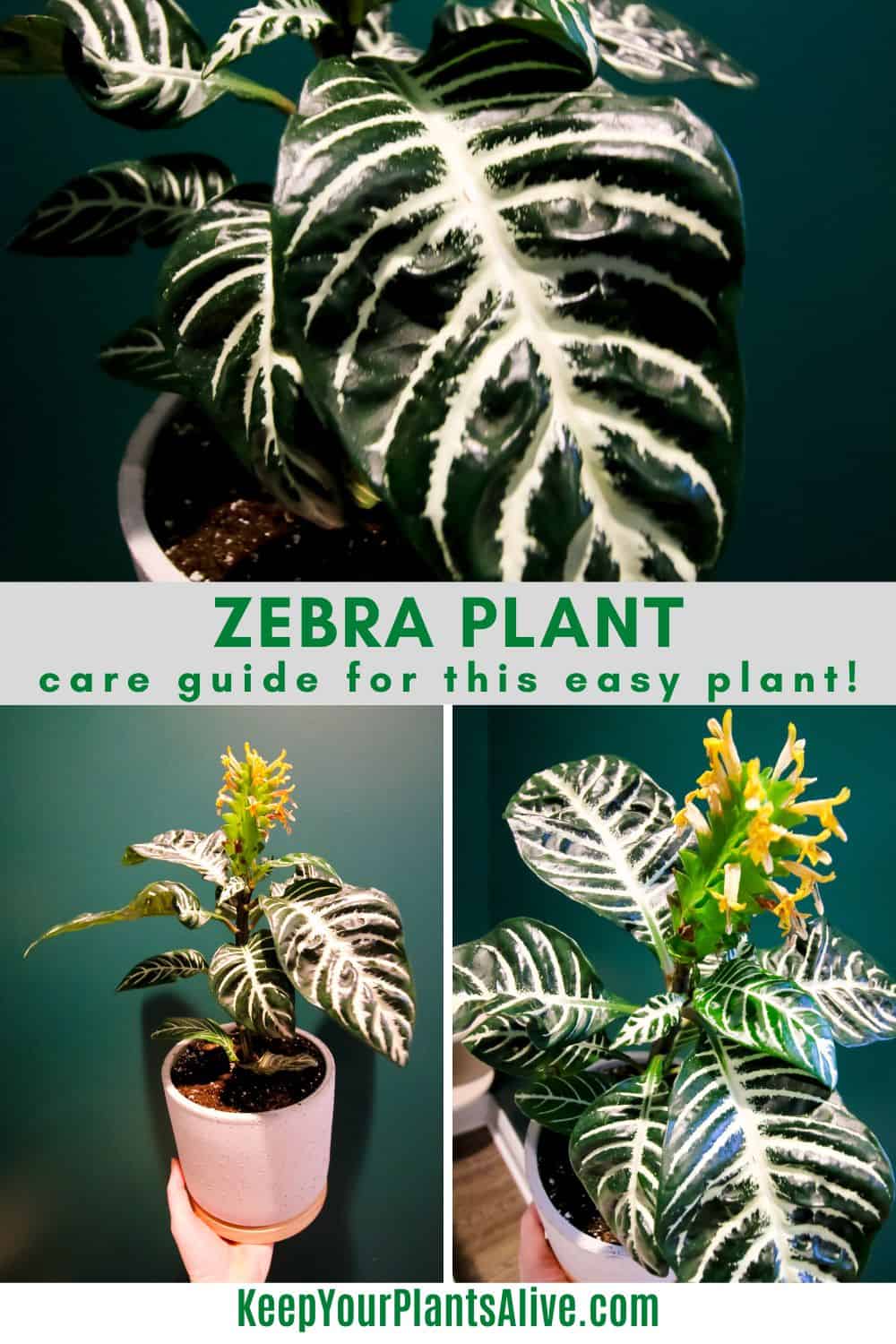
Zebra Plant, is a true showstopper with its vibrant green leaves contrasting sharply with bold white or yellow veins. Native to the humid jungles of Brazil, this magnificent houseplant captivates with its dramatic foliage and, often, exotic bright yellow flower spikes. While its beauty is undeniable, many plant enthusiasts find themselves at a crossroads when it comes to its watering needs. The delicate balance between keeping your Zebra Plant hydrated and preventing common issues like root rot and unsightly leaf problems is crucial for its long-term health and vibrant appearance.
Understanding your Zebra Plant's unique requirements, especially concerning moisture, is the cornerstone of successful care. This article will demystify the art of watering your Zebra Plant, offering comprehensive guidance to ensure its spectacular stripes remain a highlight in your home.
Understanding Your Zebra Plant's Hydration Needs
One of the most common pitfalls in Zebra Plant care revolves around watering. There's a subtle but critical distinction between keeping the soil consistently moist and allowing it to become waterlogged, or, conversely, letting it dry out too much. For optimal health, your Zebra Plant prefers a balance: the soil should be allowed to dry out partially between waterings, but never to the point of complete desiccation for prolonged periods.
Here’s how to master this delicate balance:
- The "Knuckle Test": Before watering, always check the soil moisture. Stick your finger about 2-3 inches deep into the soil. If it feels dry to your knuckle, it's generally time to water. If it still feels damp, wait a few more days.
- Thorough Watering: When it is time to water, do so thoroughly. Pour water slowly over the entire soil surface until it begins to drain from the pot's drainage holes. This ensures the entire root ball is adequately hydrated. Discard any excess water collected in the saucer to prevent the plant from sitting in standing water, which can lead to root rot.
- Factors Influencing Frequency: Watering frequency isn't a fixed schedule. It varies significantly based on:
- Light Conditions: Plants in brighter, indirect light will use water more quickly than those in lower light. In dim conditions, extend the time between waterings to prevent root rot.
- Humidity: Higher ambient humidity can slow down soil drying.
- Pot Size & Material: Smaller pots dry out faster. Terracotta pots wick away moisture more quickly than plastic or glazed ceramic.
- Season: Your Zebra Plant will require more frequent watering during its active growing seasons (spring and summer) and less during dormancy in fall and winter.
Achieving this perfect watering rhythm is fundamental to unlocking the vibrant stripes and overall health of your plant. For more general insights into nurturing your Zebra Plant, explore our guide on
Unlock Vibrant Stripes: Essential Zebra Plant Care for Any Home.
The Perils of Overwatering: Spotting Root Rot & Yellowing Leaves
Overwatering is arguably the most common cause of decline for indoor Zebra Plants. When the soil remains saturated for too long, the roots are deprived of oxygen, leading to a condition known as root rot. This fungal disease attacks and destroys the plant's root system, crippling its ability to absorb water and nutrients.
Watch out for these classic signs of overwatering:
- Yellowing Leaves: Often starting with the lower leaves, they turn yellow and may eventually drop off. Unlike natural aging (which usually causes a gradual browning and drying), overwatering causes a distinct yellowing and often a soft, limp texture.
- Soft, Brown Leaf Tips/Edges: Instead of being crispy, the brown areas will feel soft and mushy.
- Drooping or Wilting Foliage: Paradoxically, an overwatered plant can appear wilted because its damaged roots can no longer supply water to the leaves, mimicking thirst.
- Stunted Growth: The plant's overall growth will slow down significantly.
- Mushy Stems: The base of the stem might feel soft and mushy to the touch.
- Foul Odor: A decaying, musty smell emanating from the soil is a strong indicator of root rot.
Action Plan for Suspected Root Rot:
If you suspect overwatering or root rot, act quickly:
1.
Unpot the Plant: Gently remove the Zebra Plant from its pot.
2.
Inspect Roots: Rinse the soil from the roots under lukewarm water. Healthy roots are typically firm and white or light tan. Roots affected by rot will be brown, black, soft, and mushy, often falling apart when touched.
3.
Prune Affected Roots: Using sterile scissors, carefully trim away all diseased roots. Also, remove any severely yellowed or damaged leaves to reduce stress on the plant.
4.
Repot: Repot your Zebra Plant into a clean pot (or sterilize the old one) with fresh, fast-draining potting mix. Do not use the old, contaminated soil.
5.
Adjust Watering: Resume watering cautiously, allowing more time for the soil to dry out before the next watering.
Decoding Underwatering: Crispy Edges & Drooping Drama
While overwatering is a major concern, allowing your Zebra Plant to become severely underwatered can also lead to significant stress and visible damage. These plants, with their lush foliage, do not appreciate prolonged drought.
Signs that your Zebra Plant is thirsty include:
- Brown, Crispy Leaf Tips and Edges: This is a classic symptom of insufficient moisture. The leaf tissue dries out and becomes brittle.
- Drooping or Limp Leaves: The normally firm and upright leaves may start to sag and lose their turgidity.
- Curling Leaves: Leaves might curl inward to conserve moisture.
- Premature Leaf Drop: While Zebra Plants naturally shed lower leaves as they grow and develop a "skinny trunk," sudden or excessive lower leaf drop can indicate underwatering.
- Lightweight Pot: The pot will feel noticeably lighter than usual.
Reviving an Underwatered Zebra Plant:
If you find your Zebra Plant showing signs of thirst, a thorough drink is usually all it needs:
1.
Thorough Watering: Water the plant slowly and deeply until water drains from the bottom.
2.
Bottom Watering (for severe cases): If the soil has become so dry that it's hydrophobic (repels water), place the pot in a basin of water for 30 minutes to an hour. Allow the plant to soak up water from the bottom, then remove it and let it drain completely.
3.
Consistency: Establish a more consistent watering routine moving forward, ensuring the top 2-3 inches of soil dry out but the plant isn't left bone-dry for extended periods.
Beyond the Water Can: Humidity, Soil & Potting for Optimal Hydration
Proper watering is a multifaceted affair, influenced by environmental factors and the medium in which your Zebra Plant resides. Paying attention to these elements will significantly improve your plant's ability to absorb and utilize moisture efficiently.
Humidity: A Jungle Essential
As a tropical native, the Zebra Plant absolutely thrives in high humidity. While it can tolerate average household humidity, providing extra moisture in the air will lead to lusher foliage and healthier growth. However, there's a crucial caveat: while the air around the plant should be humid, the leaves themselves prefer to remain dry to prevent fungal leaf spot disease.
*
Pebble Trays: Place your plant on a tray filled with pebbles and water, ensuring the pot sits *on* the pebbles and not *in* the water. As the water evaporates, it increases localized humidity.
*
Humidifier: For truly optimal conditions, especially in dry climates or during winter, a room humidifier is ideal.
*
Avoid Misting Foliage: Although commonly recommended for humidity, misting the leaves directly can leave water droplets that, combined with high humidity, encourage fungal issues. If you must mist, ensure good air circulation to dry the leaves quickly.
The Right Soil for Drainage and Aeration
The potting mix is your plant's foundation. For a Zebra Plant, a fast-draining, highly organic potting soil is paramount. An African Violet mix is an excellent choice, as it provides both the rich organic matter Zebra Plants love and the necessary aeration to prevent waterlogging. Good drainage is key to preventing root rot, even with diligent watering practices.
Potting Practices: Root-Bound Bliss
Interestingly, Zebra Plants enjoy being somewhat root-bound in a smaller pot. This means you should resist the urge to repot frequently. Only repot when it's absolutely necessary, such as when roots are clearly circling the bottom or pushing the plant out of its pot. Being slightly root-bound helps the soil dry out more evenly and prevents excess soil from holding too much moisture, which can be a common issue in overly large pots.
For a deeper dive into the broader care spectrum, including specific lighting and blooming requirements, don't miss our comprehensive guide:
Master Zebra Plant Care: Light, Water, Humidity & Blooming Secrets.
Troubleshooting Common Leaf Issues Related to Watering
Beyond the direct symptoms of over or underwatering, other leaf issues can arise that are intrinsically linked to your watering regimen and environmental conditions.
- Fungal Leaf Spot Disease: Characterized by brown spots on the leaves, this fungal infection is often encouraged by prolonged wet foliage combined with high humidity and poor air circulation. To prevent it, ensure good air movement around your plant, avoid misting leaves, and always water at the soil level, not over the foliage.
- General Leaf Drop: As mentioned, both extremes of watering can cause leaves to drop. However, rapid temperature fluctuations (especially prolonged exposure to temperatures below 60°F or 15.6°C) can also cause sudden leaf loss. Natural aging also leads to lower leaves dropping to slowly reveal a "skinny trunk" – this is normal and not a cause for concern.
- Fertilization Concerns: While not strictly a watering issue, too much or too little fertilizer can manifest in similar leaf problems. Over-fertilization can burn roots and lead to yellowing or browning leaves, mimicking overwatering. During spring and summer, feed your Zebra Plant monthly (or bi-weekly) with a diluted general houseplant fertilizer. Reduce or stop feeding in fall and winter.
Conclusion
Caring for a
Zebra Plant requires attentive observation and a balanced approach to its watering needs. By understanding the critical distinction between moist and soggy soil, recognizing the signs of both over and underwatering, and providing optimal humidity, soil, and potting conditions, you can prevent most common leaf issues and root rot. Remember, consistency and responsiveness to your plant's environment are key. With a little practice and mindful care, your Zebra Plant will reward you with its spectacular, striped foliage, becoming a vibrant and healthy focal point in your indoor garden for years to come.