Unlock Vibrant Stripes: Essential Zebra Plant Care for Any Home
Few houseplants boast the dramatic flair of the Zebra Plant, or Aphelandra squarrosa. With its striking, dark green leaves boldly etched with bright white or yellow veins, it’s like a living work of art that can transform any indoor space. Native to the humid jungles of Brazil, this tropical beauty brings an exotic touch, promising both lush foliage and, with proper care, vibrant, eye-catching blooms. While often touted as low-maintenance, unlocking its full potential requires understanding and meeting a few key preferences. Dive into this comprehensive guide to ensure your Zebra Plant thrives, radiating its unique, striped charm throughout your home.
The Allure of the Zebra Plant: A Striped Statement Piece
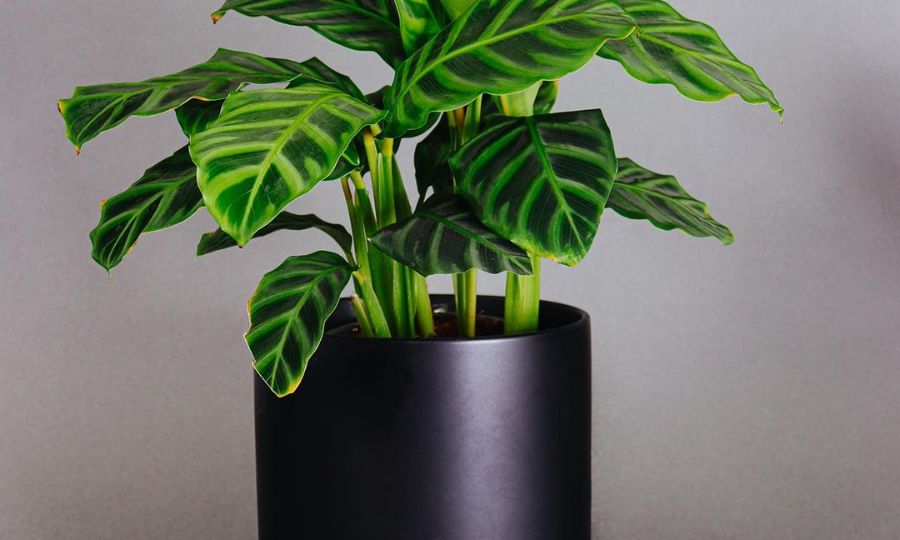
The immediate appeal of the Zebra Plant lies in its spectacular foliage. Each large, shiny, dark green leaf features a prominent white midrib and intricate white veins that stand out in stark contrast, giving it its iconic nickname. Adding to its charm, the leaf stems often display a subtle purple tinge, enhancing the overall exotic aesthetic. But the show doesn't stop at the leaves.
When given the right conditions, particularly very bright indirect light, the Zebra Plant can produce stunning flowers. These emerge from striking, four-sided yellow spikes made up of overlapping bracts at the end of a long stem. While the actual bright yellow flowers are ephemeral, lasting only a few days, the vibrant bracts themselves can maintain their beauty for a month or two, providing a prolonged splash of color. This combination of dramatic foliage and cheerful blooms makes the Zebra Plant a truly captivating houseplant, perfect for plant enthusiasts looking to add a touch of the tropics to their collection.
Mastering Essential Zebra Plant Care: Light, Water, and Humidity
Cultivating a thriving Zebra Plant hinges on understanding its fundamental environmental needs, primarily light, watering, and humidity. Mimicking its native jungle habitat is the secret to its success.
Ideal Lighting Conditions for Your Zebra Plant
Bright indirect light is paramount for the health and vibrancy of your Zebra Plant. This means placing it in a location where it receives plenty of ambient brightness but is shielded from direct sun exposure. Think of a spot near an east-facing window, or several feet away from a south or west-facing window, where the intense rays won't scorch its sensitive leaves. Direct sunlight, especially during the harshest parts of the day, will quickly lead to unsightly leaf burn, turning those beautiful stripes brown and crispy.
Conversely, insufficient light will significantly hinder your plant's growth. In lower light conditions, your Zebra Plant may develop weaker, leggy stems and its growth rate will slow dramatically. Moreover, adequate bright indirect light is essential if you hope to see those stunning yellow flower spikes emerge. A well-lit spot ensures robust growth and encourages blooming.
The Art of Watering a Zebra Plant
Watering is often where plant parents stumble, and the Zebra Plant has specific preferences that, if ignored, can lead to common issues like root rot or leaf drop. While its jungle origins suggest a love for moisture, it absolutely detests soggy feet. The key is to keep the soil consistently moist but never waterlogged. Allow the top inch or two of the soil to dry out between waterings, then water thoroughly until water drains from the bottom of the pot.
- Signs of Overwatering: Watch out for yellowing leaves, soft brown leaf tips, and general wilting – these are classic indicators of too much moisture, which can quickly lead to dreaded root rot.
- Signs of Underwatering: Brown, crispy leaf tips can signal that your plant isn't getting enough water. However, keep in mind that the Zebra Plant will naturally shed its lower leaves as it grows, which isn't always a sign of distress.
Finding the perfect balance is crucial. Always ensure your pot has adequate drainage holes to prevent water accumulation at the bottom. For a deeper dive into preventing common watering mishaps, check out our guide on Zebra Plant Watering Secrets: Prevent Root Rot & Leaf Issues.
Humidity: Recreating a Tropical Haven
Given its origins in the Brazilian rainforests, the Zebra Plant absolutely adores high humidity. While it can tolerate normal to low household humidity levels, it will truly flourish and maintain its lush appearance in a more moist environment. Prolonged exposure to dry air can lead to crispy leaf edges and duller foliage.
To boost the ambient moisture around your plant, consider these effective methods:
- Pebble Tray: Place your Zebra Plant pot on a tray filled with pebbles and water. Ensure the pot sits on the pebbles and not directly in the water, as this can still lead to root issues. As the water evaporates, it creates a localized humid microclimate.
- Humidifier: A small room humidifier is an excellent way to consistently provide the high humidity your Zebra Plant craves, especially in dry indoor environments or during winter.
- Grouping Plants: Placing your Zebra Plant alongside other humidity-loving plants can create a collective humid zone, benefiting all involved.
Beyond the Basics: Soil, Temperature, Fertilization, and Repotting
Optimizing your Zebra Plant's environment extends to its growing medium, ambient temperature, nutrient supply, and when it’s time for a new home.
The Right Potting Mix and Temperature
A fast-draining, highly organic potting mix is ideal for Zebra Plants. Many enthusiasts find that an African Violet mix works perfectly, as it provides the necessary aeration and retains enough moisture without becoming waterlogged. Regarding temperature, these tropical plants are happiest in consistent warmth, ideally between 65°F and 75°F (18.3°C-23.9°C). Be mindful of cold drafts and avoid prolonged exposure to temperatures below 60°F (15.6°C), as this can quickly cause leaf drop and stress your plant.
Feeding Your Striped Beauty
During its active growing seasons of spring and summer, your Zebra Plant will benefit from regular feeding. A general houseplant fertilizer, diluted to half the recommended strength and applied weekly, or at full strength monthly, will provide the necessary nutrients for robust growth and vibrant foliage. Always remember to water your plant before fertilizing to prevent root burn, and reduce or cease fertilization during the cooler, dormant months of fall and winter.
Repotting Considerations
Interestingly, Zebra Plants enjoy being somewhat root-bound in a smaller pot. This means you won't need to repot them frequently. Wait until it's absolutely necessary, such as when you see roots emerging from the drainage holes, or if the plant seems to be drying out excessively quickly between waterings, indicating it's outgrown its current container. When you do repot, choose a pot only one size larger to avoid overwhelming the root system with too much new soil, which can retain excess moisture.
Pruning, Propagation, and Pest Management
Maintaining the shape, propagating new plants, and keeping pests at bay are all part of comprehensive Zebra Plant care.
Shaping and Spreading Your Zebra Plant
- Pruning: Zebra Plants can be pruned for a bushier appearance. If left unpruned, they tend to grow into a tall, skinny tree-like form, naturally dropping old lower leaves to reveal a bare trunk. The best time to prune is after the plant has finished blooming. Regularly removing spent flower spikes once their vibrant bracts fade will also encourage the plant to rest and put energy back into foliage growth.
- Propagation: You can easily create new Zebra Plants from stem tip cuttings taken during pruning. Simply snip a healthy stem tip, remove the lower leaves, and place it in water or a moist potting mix until roots develop. This is a rewarding way to expand your collection or share with friends.
Watch Out for Pests and Diseases
While generally somewhat pest-resistant, Zebra Plants can occasionally fall prey to common houseplant pests like whitefly, mealy bugs, aphids, scale, and spider mites. Regular inspection of your plant, especially the undersides of leaves, can help catch infestations early. If pests appear, treat them with an appropriate insecticidal soap or a gentle horticultural oil. If using a "Green Solution" or similar spray, try to avoid spraying the delicate flowers or bracts.
One particular concern for Zebra Plants, especially given their preference for high humidity, is fungal leaf spot disease. This manifests as brown spots on the leaves. To prevent this, ensure good air circulation around your plant, avoid misting the leaves directly, and allow the foliage to dry out completely after watering. Keeping the leaves dry is crucial in minimizing this risk.
It's also reassuring to know that Zebra Plants are non-poisonous, making them a safer choice for homes with pets and curious children.
Conclusion: Embrace the Stripes
Caring for a Zebra Plant is a rewarding experience that brings a touch of the exotic into your home. By providing bright indirect light, practicing thoughtful watering, ensuring high humidity, and paying attention to its soil, temperature, and feeding needs, you can unlock its full potential for vibrant foliage and stunning blooms. This guide provides the foundational knowledge, but remember, every plant is unique, and observing your Zebra Plant's specific responses will be your best teacher. With a little consistent care, your striped beauty will undoubtedly become a captivating centerpiece, reminding you of its lush, tropical origins. For a more comprehensive overview of all aspects of its care, be sure to visit Master Zebra Plant Care: Light, Water, Humidity & Blooming Secrets.